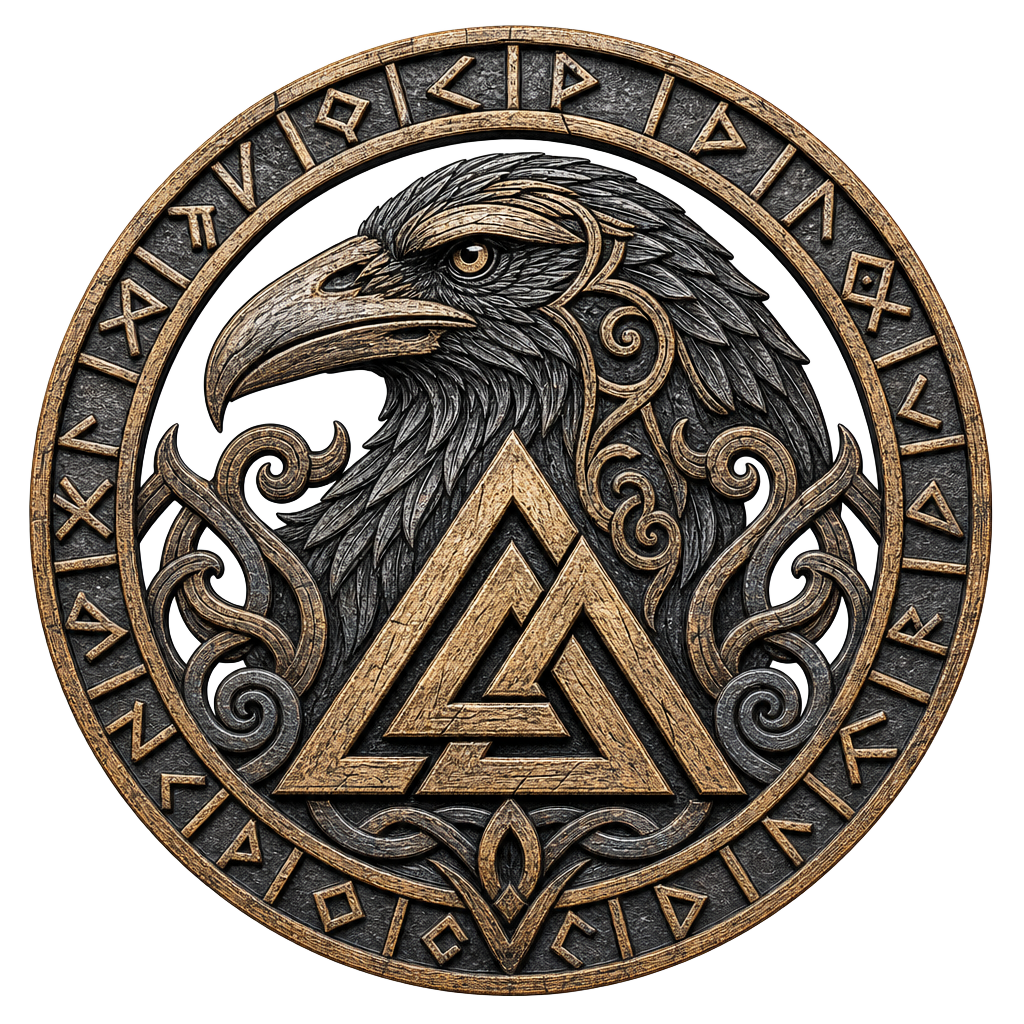
Plate 5 — The world tree that holds the nine realms
Yggdrasil
Yggdrasill — “Odin's steed”
An immense ash whose branches arch over every world and whose three roots drink from three wells at the base of existence.
- Three roots, three wells: fate, wisdom, and the primordial source.
- Ratatoskr the squirrel runs the trunk carrying insults between eagle and dragon.
- It shivers before Ragnarök but is not destroyed by it — two humans survive inside it.
Origins & Attestation
Yggdrasil is described in Vǫluspá and Grímnismál in the Poetic Edda and expanded in Snorri Sturluson's Prose Edda. Tree-cult is far older than the texts: Adam of Bremen describes an evergreen of vast size standing beside the temple at Uppsala in the 11th century, beneath which sacrifices hung.
What it means
The name means Odin's horse — the gallows on which he hung himself for nine nights to seize the runes. The tree is therefore not scenery but the axis of sacrifice and knowledge. Its three roots reach Urðarbrunnr, where the Norns weave fate; Mímisbrunnr, the well of wisdom for which Odin gave an eye; and Hvergelmir, the roaring cauldron of Niflheim. It is constantly being eaten — by the dragon Níðhǫggr at the root, by four stags at the crown — and constantly healed by the Norns with white clay from the well.
How it was used
Carved on chests, bedposts and portal beams; a household and dynastic sign of continuity and rooted lineage.
The sign today
A symbol of ecological interdependence and of ancestry — the awareness that everything living is connected along a single trunk.
“An ash I know there stands, Yggdrasil is its name, a tall tree, showered with shining loam.”
Vǫluspá, st. 19