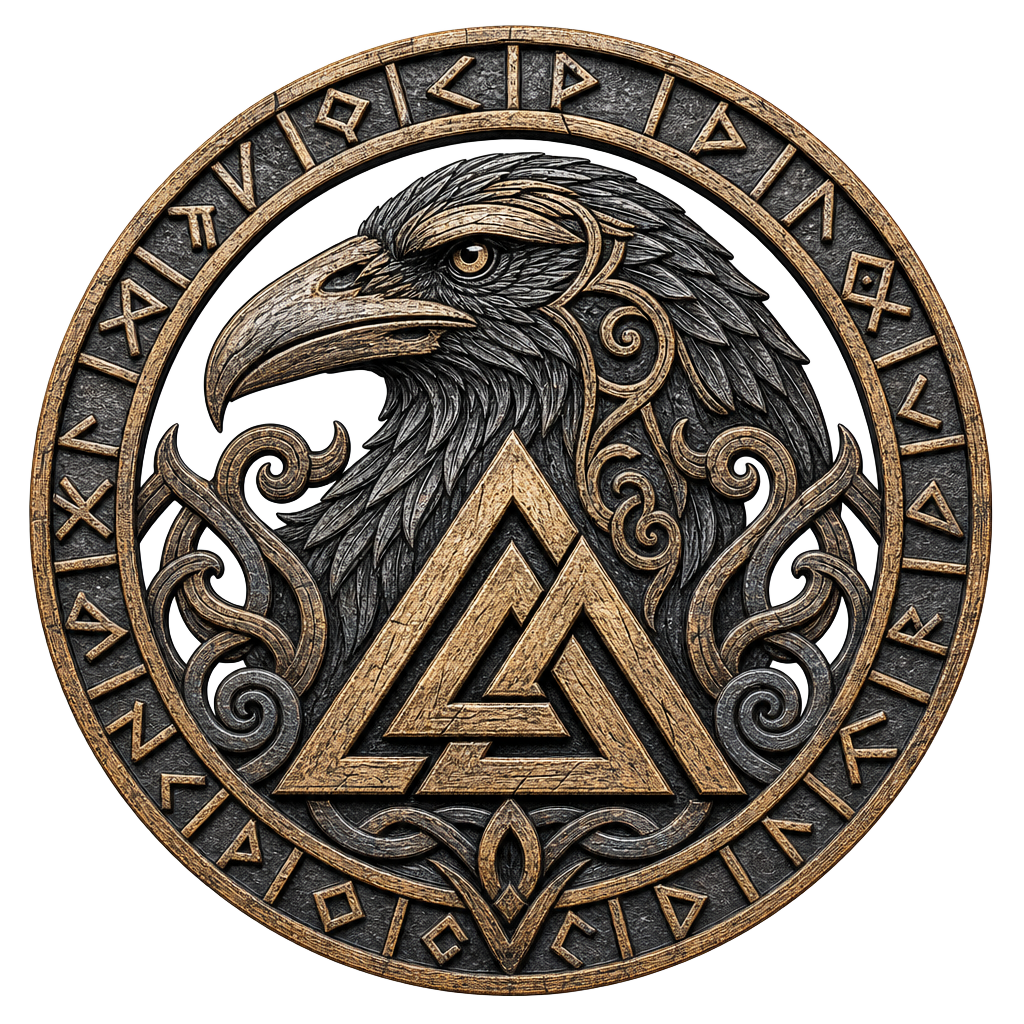
Plate 2 — The wayfinder, the stave against being lost
Vegvísir
Vegvísir — “that which shows the way”
Eight ornate staves radiating from a centre, drawn so that the bearer may find the road home through weather they do not know.
- First attested in writing in 1860, not in the Viking Age.
- Eight arms for eight directions; each arm ends in a unique terminal glyph.
- Frequently — and incorrectly — called a “Viking compass”.
Origins & Attestation
The Vegvísir is Icelandic and comparatively late: it is recorded in the Huld Manuscript, compiled by Geir Vigfússon in Akureyri in 1860, and in the Galdrabók tradition of grimoires from the 16th–19th centuries. It belongs to the world of Icelandic galdrastafir — magical staves written in a Christianised, post-Viking Iceland — rather than to the Viking Age proper. Its power in the modern imagination is undiminished by that.
What it means
The Huld Manuscript gives the instruction plainly: “Beri maður stafi þessa á sér villist maður ekki í hríðum né vondu veðri, þótt ókunnugur sé” — carry this sign and you will not lose your way in storms or foul weather, even when the way is unknown to you. Each of the eight arms terminates in a different glyph, one for each of the eight cardinal directions, so that no quarter of the horizon is left unguarded.
How it was used
Traditionally drawn in blood on the forehead, or inked on oak, and carried on the body when setting out on a journey through unfamiliar land or unpredictable sea.
The sign today
The most tattooed of all Norse signs, worn by sailors, travellers, and anyone marking a passage through a difficult season. Björk wore it inked on her upper arm, which sealed its place in the modern imagination.
“He who carries this sign with him will not lose his way in storms or bad weather.”
Huld Manuscript, 1860