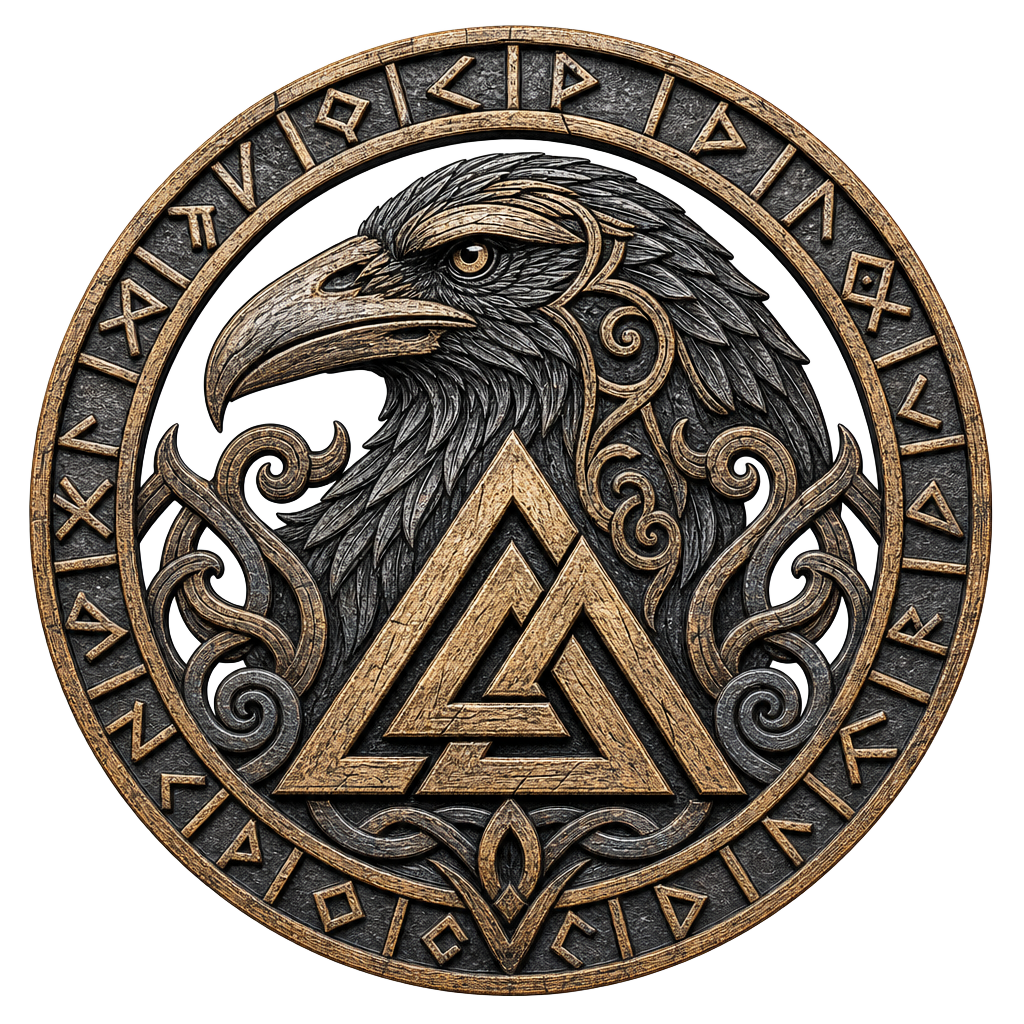
Plate 1 — The knot of the fallen warrior
Valknut
Valr + knut — “knot of the slain”
Three interlocking triangles bound in a single unbroken weave, carved beside scenes of death, sacrifice and Odin himself.
- Three triangles, nine points — nine is the sacred number of the Norse cosmos.
- Two forms survive: the unicursal (one unbroken line) and the tricursal (three separate triangles).
- Always found in the company of Odin imagery — never alone on a domestic object.
Origins & Attestation
The Valknut appears on the Stora Hammars I picture stone of Gotland (7th–9th c.), on the Tängelgårda stone, and on the ship burial timbers of Oseberg in Norway. In nearly every surviving instance it stands beside a figure being hanged, a horse, or a warrior falling in battle — the three settings most closely tied to Odin. The modern name is a scholarly coinage: Norwegian farmers called it valknute, the knot of the slain, and the term stuck.
What it means
Nine points, three triangles, one continuous line: the number nine governs Norse cosmology — nine worlds on the branches of Yggdrasil, nine nights Odin hung on the tree, nine nights Freyr waited for Gerðr. The unicursal weave suggests that the fate of the warrior, the will of the god and the moment of death cannot be untangled from one another. Some scholars read it as the hugr, the bound mind, which Odin could loosen or fetter in battle to grant berserk fury or sudden paralysing fear.
How it was used
Carved on memorial stones raised for men who died away from home, and on the funeral gear of the highest-status burials. Its placement is always funerary or sacrificial, never domestic — it is a mark set upon the dead, not a charm worn by the living.
The sign today
Adopted widely in heathen and Ásatrú practice as a declaration of dedication to Odin. Also worn simply as a memento mori, a reminder that a life is only as good as the story left behind it.
“I know that I hung on a windy tree nine long nights, wounded with a spear, given to Odin, myself to myself.”
Hávamál, st. 138