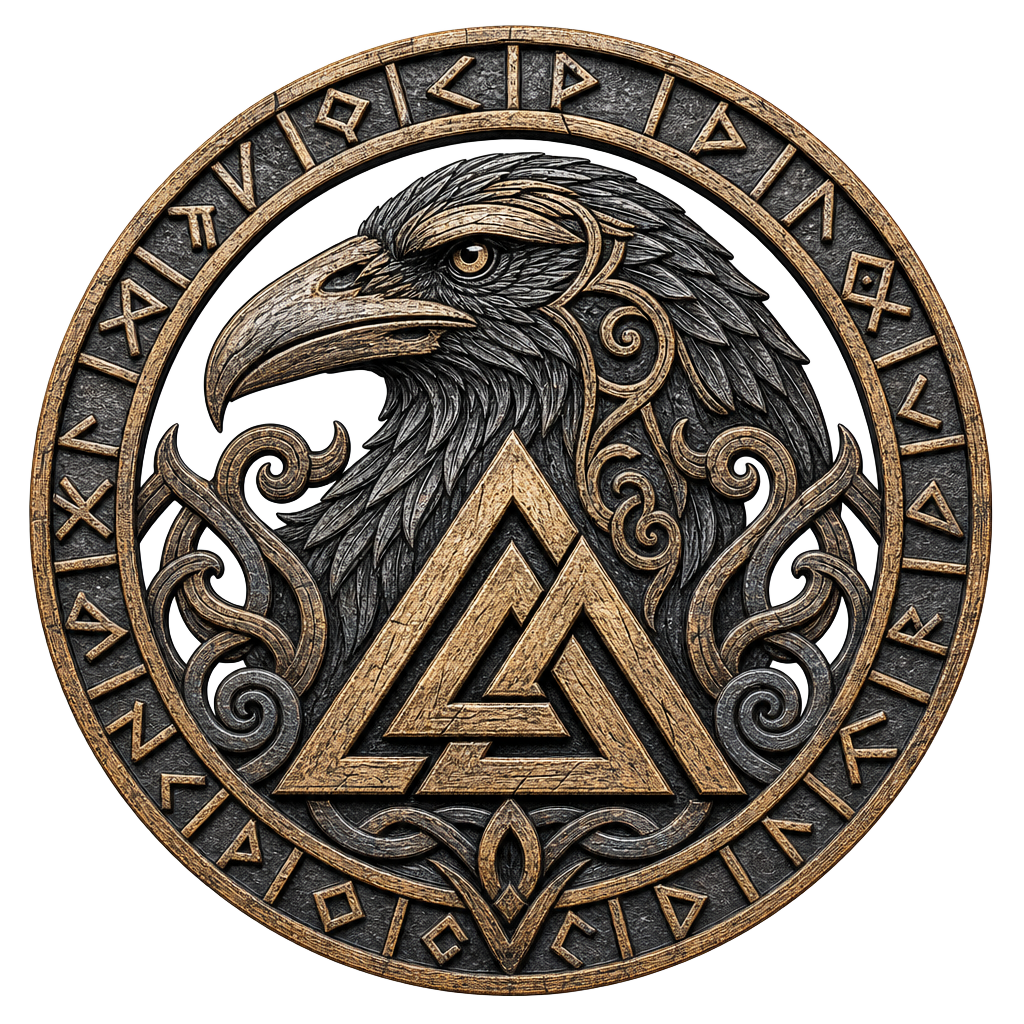
Plate 8 — The mead of poetry, stolen in three swallows
Triple Horn of Odin
Þríhyrnd horn — the three draughts
Three interlocking drinking horns: Óðrœrir, Boðn and Són, the vessels holding the mead that makes a poet of whoever drinks it.
- The three vessels: Óðrœrir, Boðn, and Són.
- Odin drank all three in three draughts and fled as an eagle.
- A few drops spilled on the way home — the “poetaster's share”, given to bad poets.
Origins & Attestation
The triple horn is found on Gotlandic picture stones and on the Snoldelev Stone from Denmark (9th century), where three horns interlock in a triskelion. The myth behind it is told by Snorri in Skáldskaparmál: the mead brewed from the blood of the murdered wise being Kvasir, mixed with honey.
What it means
Odin won the mead by boring through a mountain in serpent form, spending three nights with the giantess Gunnlǫð, and drinking all three vessels dry in three swallows before escaping as an eagle. The horns therefore signify inspiration bought at a price — the god of poetry is also the god who cheats, seduces and steals to get it. Poetry, in this reading, is never given; it is taken.
How it was used
Cut on memorial stones for poets and law-speakers, and carved on the horns themselves, which were passed at the sumbel — the ritual round of toasts and oaths.
The sign today
Used in modern heathen ritual to mark the sumbel, and worn by writers and musicians as a claim on the poetic craft.
“Gunnlǫð gave me on a golden seat a drink of the precious mead.”
Hávamál, st. 105