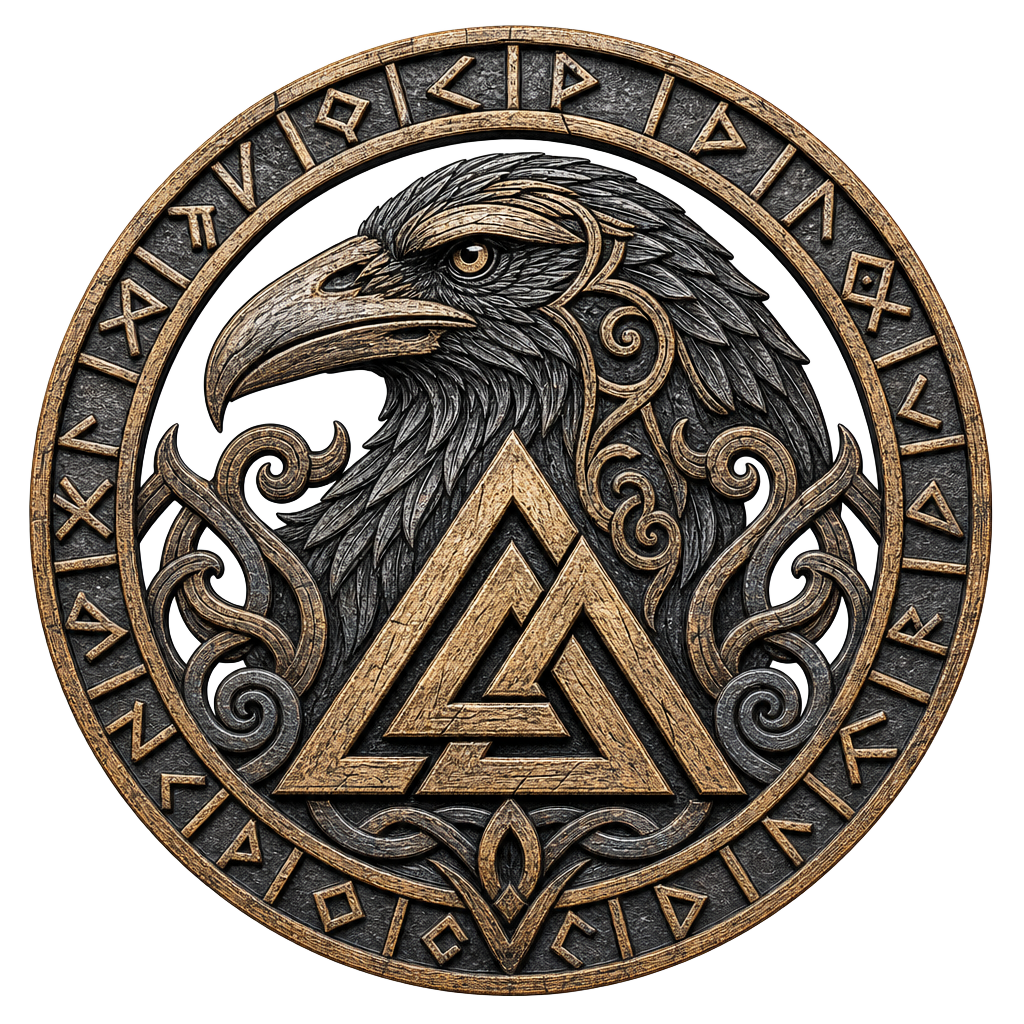
Plate 10 — The two ravens that fly the world each dawn
Huginn & Muninn
Huginn ok Muninn — “thought and memory”
Odin's ravens, sent out at daybreak over all nine worlds, returning at meal-time to whisper what they have seen into his ears.
- Huginn = thought (hugr), Muninn = memory (munr).
- Odin's raven banner was said to predict the outcome of a battle.
- The ravens' names first appear together in Grímnismál, st. 20.
Origins & Attestation
Ravens flank Odin on the Vendel-era helmet plates from Sweden, on gold bracteates, and on the Oseberg tapestry fragments. Raven banners — the hrafnsmerki — were carried by Danish and Norse fleets, described in the Anglo-Saxon Chronicle and the Encomium Emmae Reginae, where the raven on the cloth was said to flap before a victory and hang limp before a defeat.
What it means
Huginn is thought; Muninn is memory. Odin sends both out and admits, in Grímnismál, that he fears for the return of thought but fears more for memory — the god of wisdom is afraid of forgetting. The pair render the two faculties on which all knowledge stands, and the corvid's carrion nature ties them to the battlefield: what the ravens see, they see over the dead.
How it was used
Worked in pairs on brooches, helmet crests and standards; always mirrored, always facing one another or the figure between them.
The sign today
Worn by writers, scholars and those in the memory trades — and as a reminder that thinking and remembering are two different labours.
“I fear for Huginn, that he come not back, yet more am I anxious for Muninn.”
Grímnismál, st. 20